
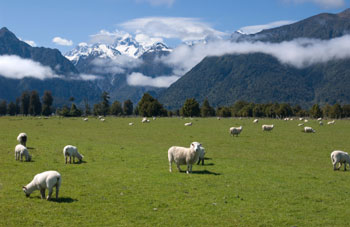
Why wool?
Wool is uniquely comforting to lie on. A natural insulator, it helps your body feel cozier in the winter and cooler in the summer. Wool doesn’t develop hot or cold spots, so you’ll shift and turn less while sleeping. Wool is plush without “poofiness”, so even a light layer keeps you comfortable.
Wool fibers have microscopic scales on each strand that wick away moisture and prevent a “clammy” feel. Used as batting either in a mattress casing or to fill a topper or duvet, wool promotes a comfortable sleeping climate.
Another key benefit of wool inside the casing is that it allows Savvy Rest natural mattresses to meet federal fire safety requirements with no chemical flame retardants. The flame tests are conducted on an entire mattress, not on single strands of fiber exposed to oxygen. (A few misleading sites show burning threads or claim their own tests “prove” wool can’t provide flame resistance. However, in sufficient quantity inside a casing, wool batting is slow to ignite and does exactly that.)
Organic wool
Certified organic wool is free of synthetic chemicals throughout the processing. The sheep graze in organic pastures, the wool is cleaned without bleach or solvents, and the garneting and carding are done without chemical additives. At Savvy Rest, we use only certified organic wool batting.
You can see our organic certifications here.
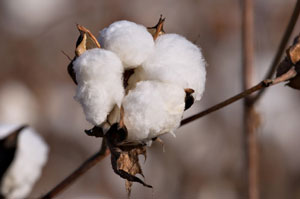
Organic cotton fabric
Conventional cotton production has a devastating environmental impact. Thirty percent of the world’s pesticides are used to grow it, and enormous quantities of chlorine, toxic dyes and finishing chemicals are used to process it. Choosing organic cotton really makes a difference.
It’s important to understand the difference between cotton fiber and cotton fabric. Fibers are strands of material made from cotton, polyester, wool, or silk. Cotton fiber is used extensively in mattresses because it is very cheap to produce. Strands of the fiber trap air, creating loft, which can give a mattress a comfy feeling—at first.
Have you ever sat down on an old futon? Mattresses filled with cotton fiber, organic or not, will harden. They also tend to take body impressions, some severe enough that you may eventually feel as though you’re lying in a gully. Cotton fiber also attracts moisture, which causes it to compress or pack down.
Cotton fabric is different. It is made from spun thread, not loose fiber, and it will not compress. The woven fabric is very appropriate for mattress casings and for bedding. It’s soft, breathable and comfortable next to your skin.
Organic latex
Some natural latex is also certified organic. Our natural Dunlop latex is certified in two ways. The rubber tree plantations are certified organic according to USDA standards, and the natural Dunlop processing is certified organic to the Global Organic Latex Standard (GOLS) established by the Control Union.
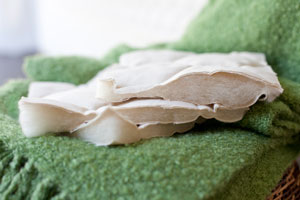
Savvy Rest organic mattress casing
Our mattress casing is made of organic wool fiber (batting) quilted between layers of soft but sturdy organic cotton fabric. It opens and closes with a strong brass zipper.